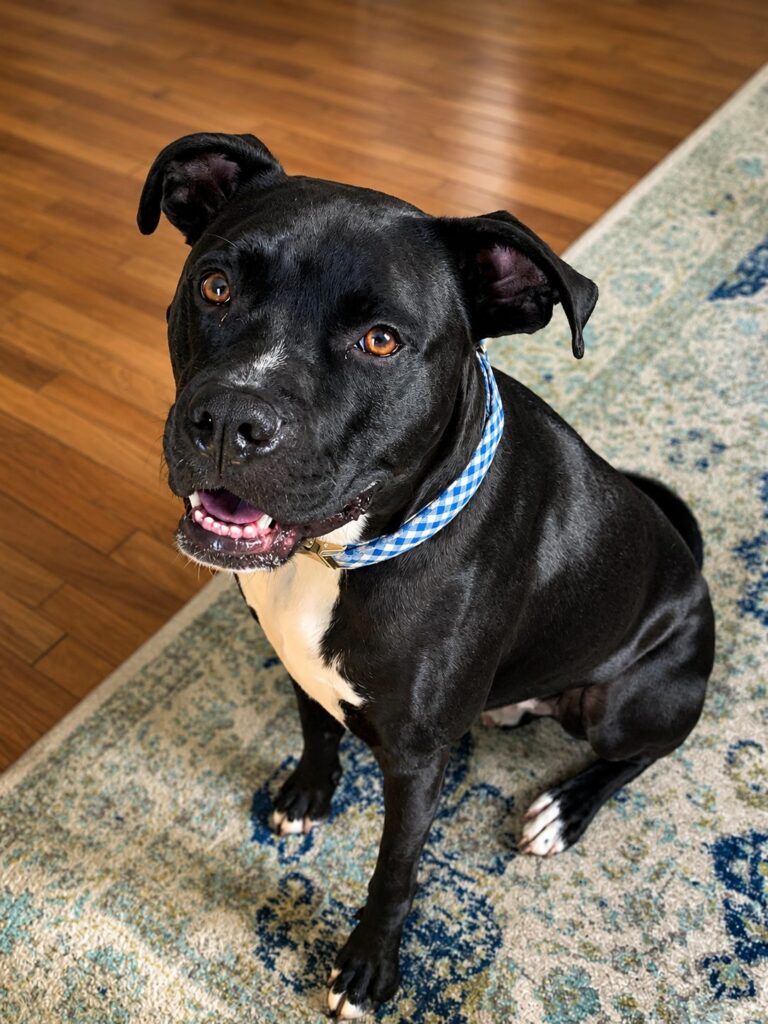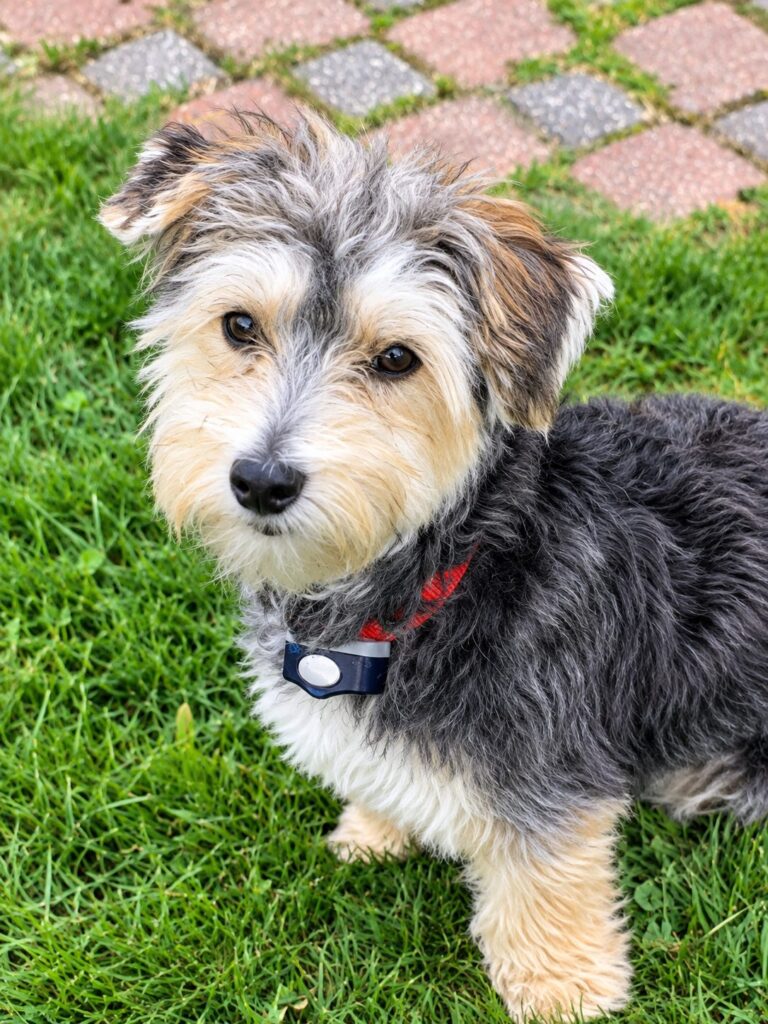
Nervous or fearful behavior in dogs and puppies should never be ignored.
Polly has been a bit nervous and shy since she was adopted as a small puppy at just eight weeks old. Because she always did fairly well with her immediate family, obedience training was never considered a priority.
At two years old, however, Polly’s fear began to manifest in ways that could no longer be ignored. She started displaying aggressive behavior toward guests entering the home and began nipping and growling when a younger child in the family approached her while she had high-value food items.
What initially began as charging at strangers and nipping at their clothing had progressed to a few incidents where Polly broke skin, leaving everyone involved frightened and concerned about what might happen next.
Walks had also become a source of stress for the entire family. Polly was fearful and reactive toward other dogs, passing runners, bicycles, and other everyday distractions. What may have once seemed like simple nervousness had developed into a pattern of defensive behaviors that was affecting nearly every part of her family’s life.
I was called in to help this family get Polly under control before these behaviors could continue to repeat or escalate. Fortunately, Polly can be helped. With a dedicated family, a clear plan, and consistent training, fearful and reactive behaviors can be addressed.
One of the most common reasons dogs display aggression is fear. A fearful dog may believe that it is on its own when confronted with something it perceives as threatening. If the dog does not know what else to do, it may resort to going on the offensive as a way of creating distance and making itself feel safe.
Understanding what is driving the behavior is the first step. The goal is not simply to stop the growling, lunging, nipping, or charging. The goal is to teach the dog that it does not have to handle perceived threats on its own and to give the family the tools and control necessary to safely guide the dog through those situations.
I tell my clients this all the time: “Your dog does not have to be 100% stable to have a safe and happy life. It just needs to have the skills to take direction from you when it is stressed.”
Dogs with a nervous temperament absolutely need obedience training. Training tells that dog that the humans take care of “scary” threats. The dog’s only job is to comply and life is good! The more nervous a dog’s temperament, the higher the responsibility of the humans is to take control of the situation. Never allow a nervous dog to be the one making decisions about how to deal with a perceived threat. This is true training leadership!