PADDY’S STORY: GOOD PUPPIES NEED BOUNDARIES, TOO!
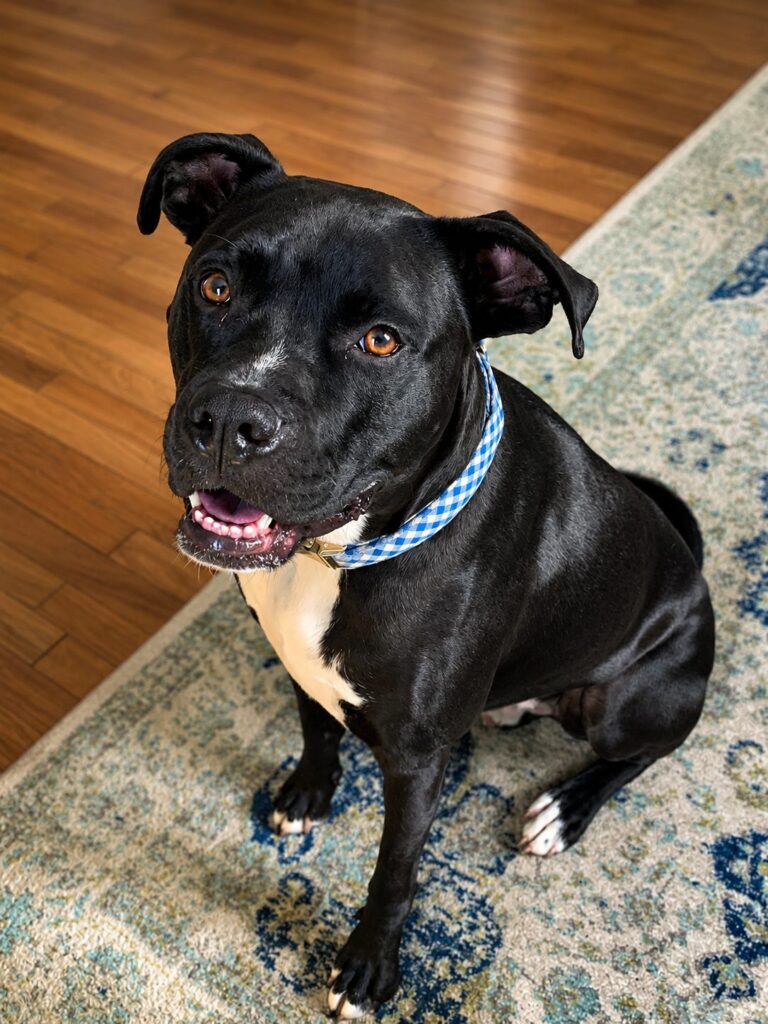
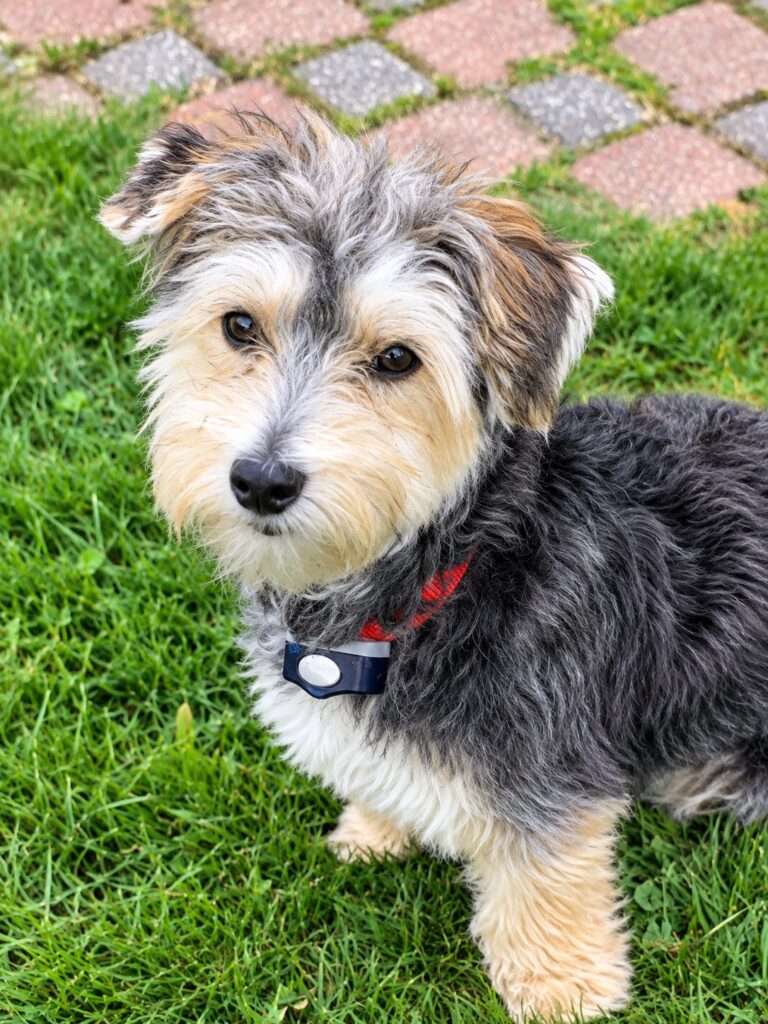
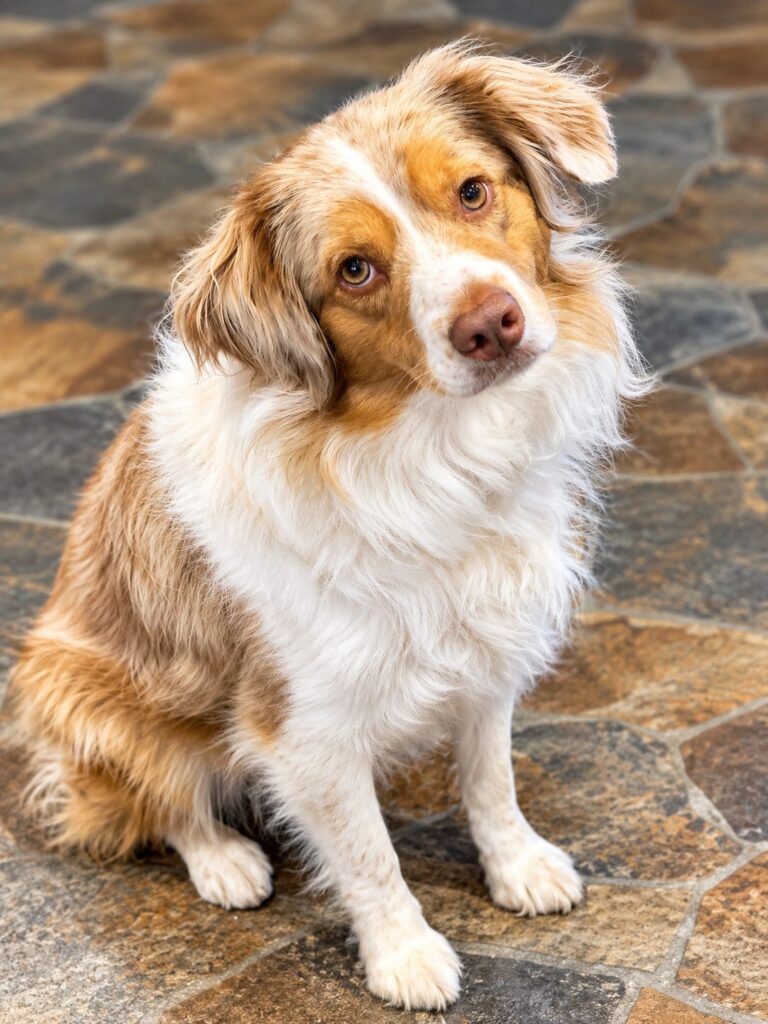
Five-month-old Paddy is a terrific puppy! Friendly, curious, and smart, he’s hit the jackpot with a wonderful family here in Maine who are committed to giving this sweet rescue the training, guidance, and structure he needs to thrive.
But there’s something every family with children should understand: Puppies are not stuffed animals. They are thinking, feeling creatures with their own likes, dislikes, and boundaries.
Even the sweetest dog needs some alone time!
Here’s an important rule for children: Don’t approach the family dog to pet or play with it. Instead, call the dog to you.
If the dog comes over, wonderful! It’s choosing to interact. If it doesn’t come, respect that choice and leave it alone. No chasing, cornering, or following.
 Learn to recognize the signs that a dog needs space. These subtle signals can easily go unnoticed by children and adults alike:
•  Lip licking when no food is around
•  Turning the head away
•  Yawning when not tired
•  Excessive blinking
•  A stiffening body or suddenly freezing
Learn to recognize the signs that a dog needs space. These subtle signals can easily go unnoticed by children and adults alike:
• Lip licking when no food is around
• Turning the head away
• Yawning when not tired
• Excessive blinking
• A stiffening body or suddenly freezing
These are ways a dog may communicate discomfort and ask for space.
What happens when we repeatedly ignore those signals?
A dog may eventually feel the need to communicate more forcefully through growling, air snapping, nipping, or even biting.
That doesn’t automatically mean the dog is inherently aggressive. It may mean the dog’s earlier attempts to communicate discomfort were missed or ignored.
Of course, every dog is an individual, and these signals need to be considered in context. A growl is valuable communication, not something to punish or silence.
The good news? Many preventable incidents can be avoided when we teach children to respect a dog’s boundaries.
Always supervise interactions between young children and dogs. Give puppies a safe, quiet place to retreat, and make sure children know that when a dog walks away, the interaction is over.